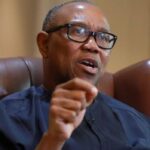



Former presidential candidate Peter Obi has called for a fundamental shift in Nigeria’s economic approach following the country’s notable absence from the International Monetary Fund’s recent list of Africa’s fastest-growing economies.
In a statement released on Thursday, Obi expressed concern over Nigeria’s economic trajectory, arguing that the nation’s vast natural resources have not translated into sustainable growth due to governance failures.
“These nations are not richer than us in natural resources, but they have become richer in discipline, leadership, and commitment to improving their people and their human capital,” Obi said, referring to countries that made the IMF’s growth list.
The politician pointed to what he described as systemic issues holding back Africa’s most populous nation. “Our own economy, sadly, continues to struggle under the weight of poor policy choices, corruption, and waste,” he stated.
Obi outlined a roadmap for economic recovery centred on fundamental reforms. “We must return to the basics: production over consumption, human capital over patronage, and governance over politics,” he emphasised.
The former Anambra State governor stressed that Nigeria possesses the necessary resources to lead the continent economically but lacks the right leadership approach. “What we need is competent and compassionate leadership, one that sees governance as a call to service, not as a transaction for criminal acquisition of unearned wealth,” Obi declared.
He called for renewed commitment to the core values of transparency and productivity. “Let us recommit ourselves to building a nation that values transparency, productivity, and shared prosperity,” he urged.
Concluding his statement with a rallying cry, Obi expressed optimism about Nigeria’s potential: “With the right leadership and collective will, Nigeria can once again become the pride of Africa. If smaller nations can grow their economy through discipline and commitment to clear policy direction, then the giant of Africa must awaken.”
The statement comes amid ongoing economic challenges facing Nigeria, including high inflation, currency depreciation, and concerns about fiscal management.