

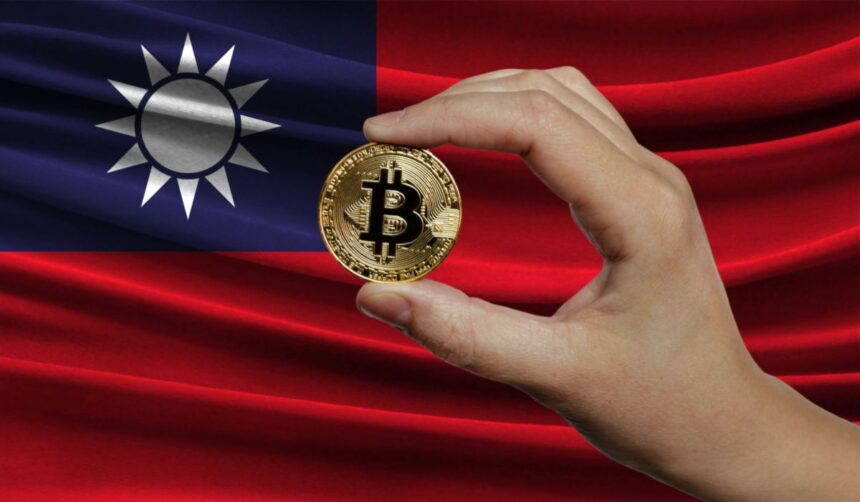
Taiwan is preparing to study the inclusion of Bitcoin in its national reserves through a three-phase plan led by legislator Dr Ju-chun Ko. The initiative, backed by the Premier’s Office and the Central Bank, could position Taiwan among the first Asian nations to officially hold Bitcoin as part of its sovereign assets.
The proposal outlines a gradual process beginning with comprehensive research to evaluate Bitcoin’s viability as a reserve asset. Within six months, regulators are expected to draft the necessary legal and financial frameworks to support the initiative. The final stage will see a pilot program launched using Bitcoin seized by law enforcement agencies, currently held pending auction.
Dr. Ko clarified that Bitcoin would not replace existing reserve assets but would complement them as a diversification tool. He explained that Taiwan’s current reserve portfolio—valued at about $577 billion—relies heavily on U.S. Treasury bonds, which account for roughly 92%, alongside 423 metric tonnes of gold. The new plan, he said, aims to reduce the island’s dependence on the dollar and strengthen its resilience against inflation and currency volatility.
The New Taiwan Dollar has experienced sharp fluctuations, with swings of up to 5% in a single day. According to Dr. Ko, even a small Bitcoin allocation could serve as a hedge and enhance Taiwan’s risk management strategy. The Central Bank has agreed to conduct in-depth studies and a pilot before any formal adoption, stressing that the move remains exploratory.
The initiative has drawn support from global Bitcoin advocates, including Samson Mow, CEO of JAN3, who called it consistent with the growing trend of countries exploring digital assets as part of their fiscal strategy. El Salvador, for instance, became the first nation to adopt Bitcoin as legal tender in 2021 and now holds over 6,000 BTC in its reserves. Bhutan has quietly mined and accumulated Bitcoin, while Indonesia has also been considering it as part of its financial reserves.
Still, not all central banks are convinced. The Bank of Korea has rejected the idea due to Bitcoin’s volatility, while European Central Bank President Christine Lagarde reiterated that reserve assets must remain “liquid, secure, and safe.” Such skepticism underscores the divide among policymakers as digital assets continue to move from speculative instruments toward mainstream economic consideration.
For now, Taiwan’s exploration remains a cautious step rather than a commitment. Yet if the study and pilot prove successful, it could mark a turning point in how Asian economies integrate Bitcoin into their reserve management strategies—balancing innovation with fiscal prudence.