






Nigeria faces several significant issues that impact its economic growth, which successive governments have battered with retrogressive policies.
Addressing these issues requires a comprehensive approach that includes economic diversification, infrastructure development, governance reforms, security enhancements, access to finance, job creation, and investment in education and healthcare.
Nigeria can foster sustainable and inclusive economic growth by tackling these challenges effectively.
Unfortunately, the outgoing government of President Muhammadu Buhari has made the situation go from bad to worse with consistent wrong economic decisions by the administration’s officials.
To address the issues, the incoming government of Bola Tinubu should know that these are the major issues bedevilling the country.
They are:
1). Epileptic electricity: Nigeria has long been plagued by persistent power shortages and unreliable electricity supply, which has hindered economic growth and development. By addressing this issue and ensuring constant electricity, Nigeria will achieve industrial development, massive growth for small and medium enterprises, increased foreign direct investment, and more investment in the ICT and agricultural sectors.
2). Non-functional refineries: Good refineries can have a significant positive impact on Nigeria’s economy as it helps to reduce import dependency, boost job creation, ensures value addition in the oil and gas sector, helps to generate revenue for the country, ensures energy development and most importantly, ensures the rapid growth of the downstream sector. To realize these benefits, Nigeria needs to invest in the modernization, expansion, and maintenance of its existing refineries.
3). Lack of exports: Effective exports can play a significant role in improving Nigeria’s economy, and it ensures increased foreign exchange earnings, diversification of revenue sources, job and income generation, technological advancement and innovation, foreign direct investment, and enhanced global competitiveness. To realise these benefits, Nigeria must improve infrastructure and streamline trade procedures.
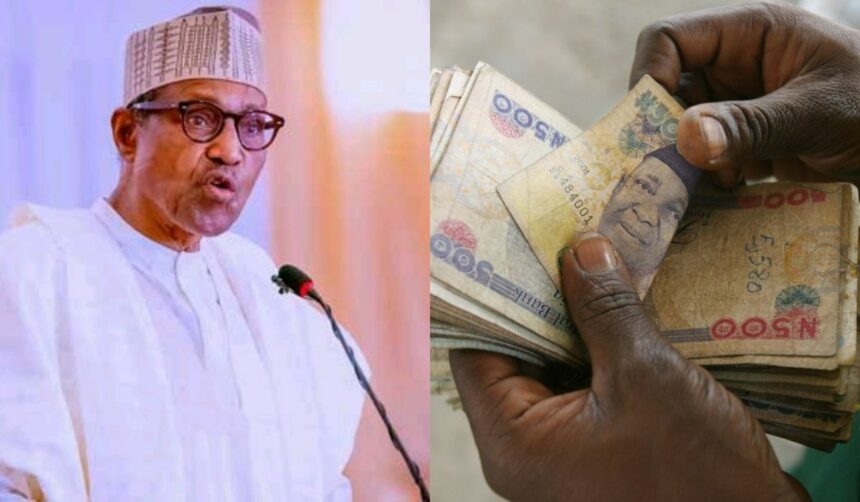
Recall that Nigeria’s inflation rate rose to 22.04% – the third consecutive increase in 2023.
The consumer price index, which measures the rate of change in prices of goods and services, also rose to 22.04 per cent in March 2023, up from 21.91 per cent in the previous month.